
Hello everyone! My name is Stanislav Ustinov. I live in Saint-Petersburg, Russia.
In WireSpace, I have combined all the most popular techniques for working with wire.
How It All Started
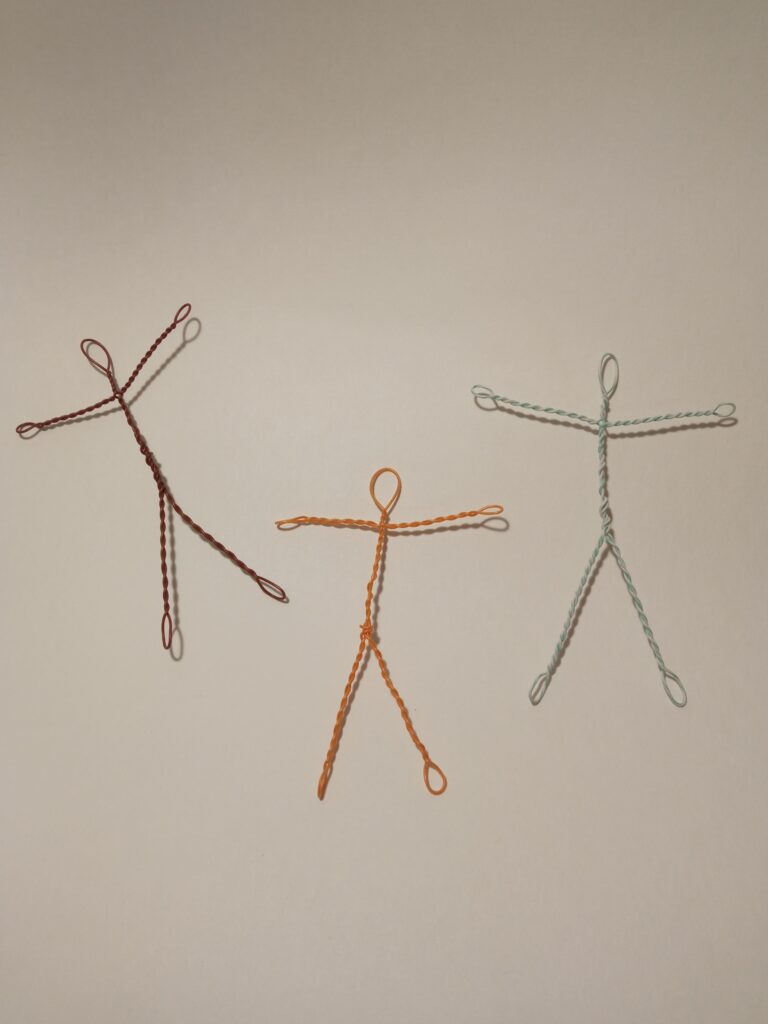
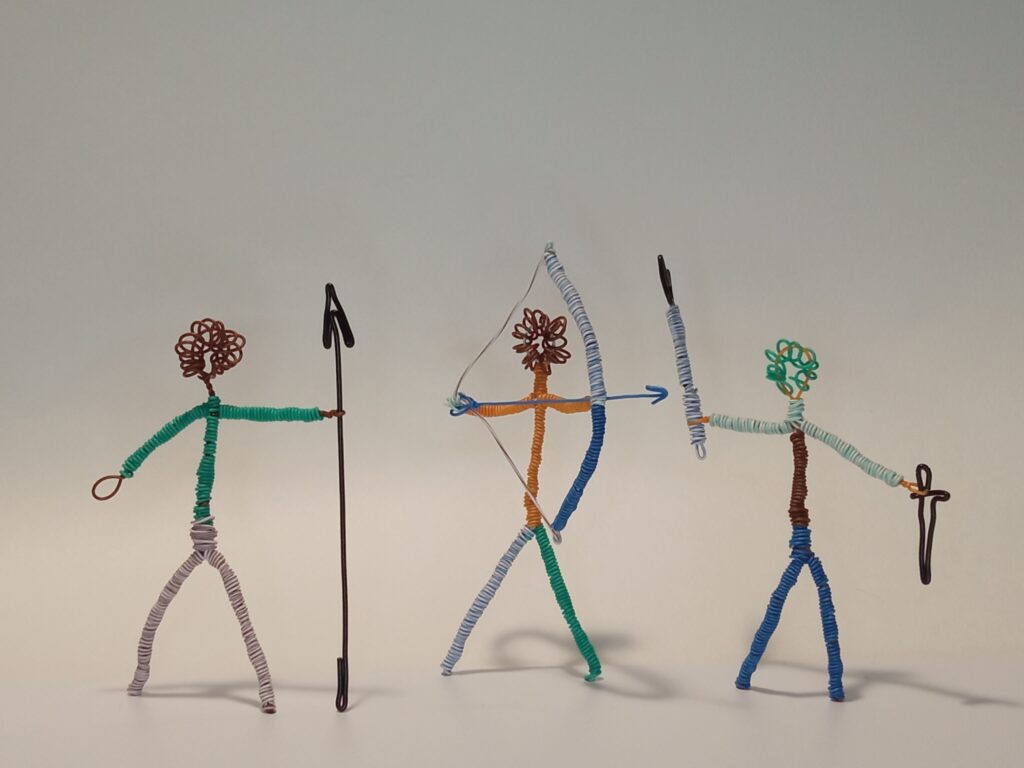
I distinctly remember that it all began with three little soldiers armed with bows, spears, and axes.
Probably in every family in our country at the end of the 1980s, there was a roll of colored wire for various household needs. Someone used it to tie things up in the apartment or at the summer house, while others used it to repair household appliances or solder radios…
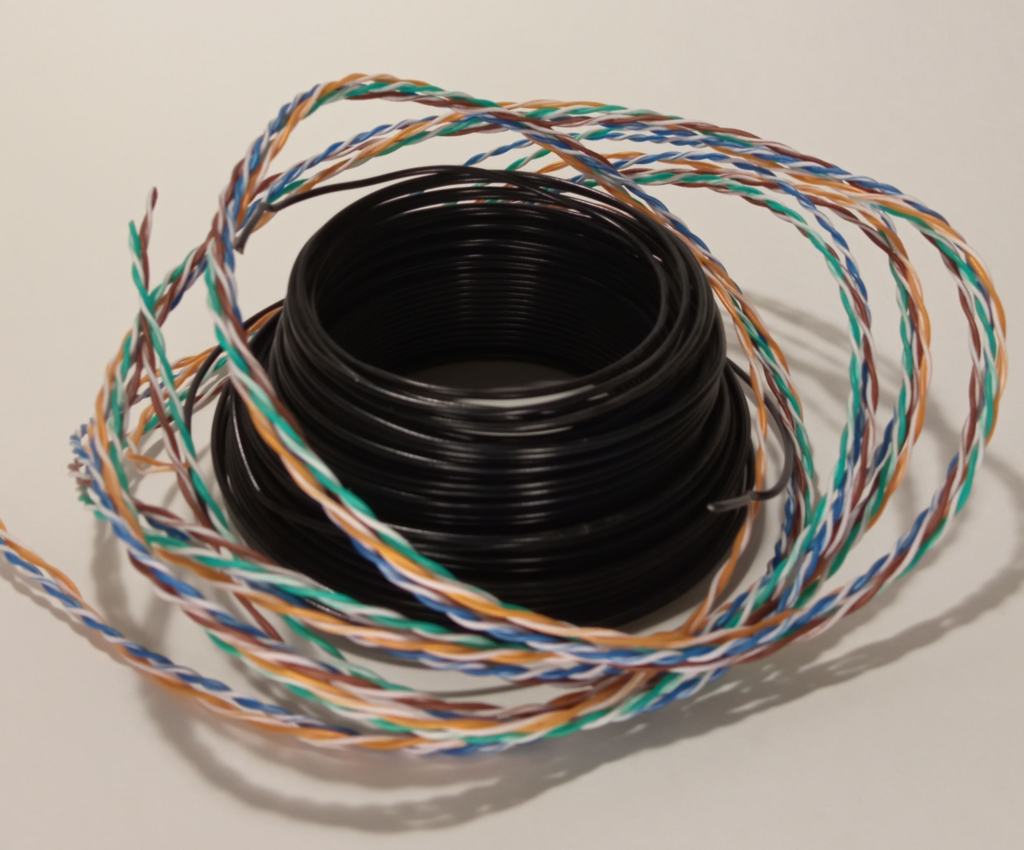
I believe everyone had a project in elementary school called the Craft Competition. My father looked at the acorns and pine cones I had collected and suggested a more interesting idea: to make little figures out of colored wire. That’s how I became acquainted with wire as a crafting material. It was thin, colored wire from a multi-stranded telephone cable.
Our wire sculptures created a wow effect compared to the standard crafts made of matchsticks, pine cones, and acorns.
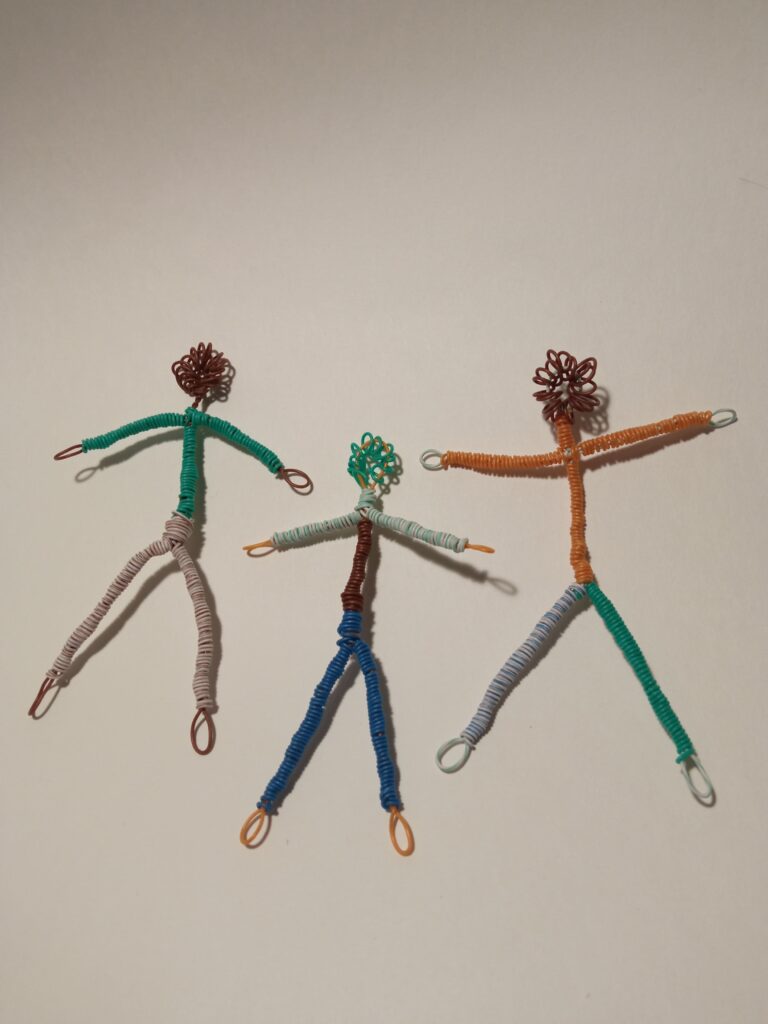
I then tried to recreate a masterpiece. It looked something like this.
And It Just Kept Growing
Inspired by my victory, I started making various items from wire on my own: braided keychains, rings, little figures.
Soon, it took on a more widespread character. Many classmates began to have exclusive items, such as pen refills woven with colored wire.
We didn’t have the internet, so as schoolchildren, we entertained ourselves by exploring garages and construction sites. It was on those construction sites that we could find scraps of telephone wires, that colorful wire we used to play with.
Then everything came to a halt for 35 years, and it was almost forgotten. But sometimes, certain things and skills from our childhood come back to us as we grow older. You realize that this is what you’ve been missing all this time. It’s what you’ve been searching for your entire life…
Wire Sculptures Are A Whole Life
When wire comes into the hands of a creative person, it becomes something more than just metal. It transforms into a tool of self-expression, a conduit for ideas and emotions. Every movement, bend, or spiral of the wire is not merely a coincidence; it is the result of an inner dialogue between the artist and their material. The wire is infused with the freedom of handmade wonders, devoid of rules—only intuition, inspiration, and the desire to create something that can speak without words.
 So how does this happen? Ordinary galvanized steel wire, rough to the touch and seemingly fragile, suddenly begins to take on a new essence. It becomes trees that seem to root into the ground or birds frozen in flight. Its lines flow and intertwine, holding both rigor and chaos, as if each movement carries a hidden meaning.
Looking at such creations, it’s impossible to remain indifferent; something inside stirs, spreads its wings, and that feeling arises – a mixture of wonder and delight.
At this point, it becomes clear: the essence lies not in the material itself but in the hands that give it new life. It’s like an alphabet, which by itself is merely a collection of letters. But in the hands of a poet, these letters transform into poetry. Similarly, the wire’s coarse appearance, at first glance, becomes the foundation for something remarkably delicate, subtle, and almost ethereal.
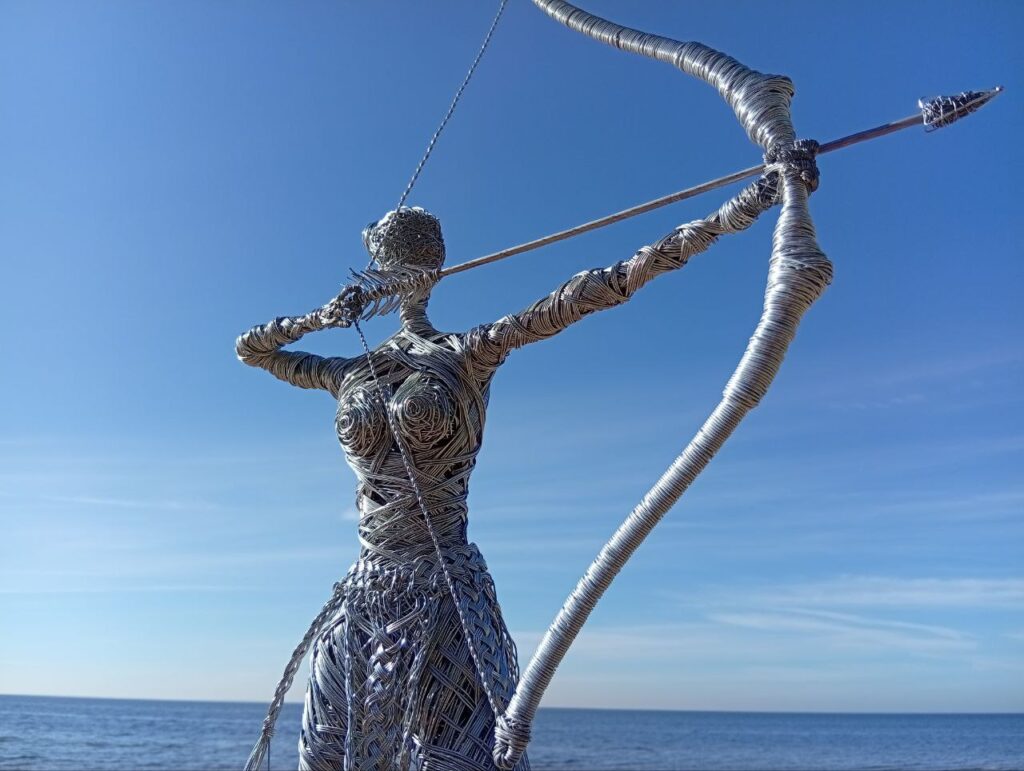
When you look at the fruits of such creativity, you remember that no material is ever “simple” or “ordinary.” It all depends on who touches it. Wire becomes art only when it is touched by the hand of a dreamer, a person with a vision, someone who reshapes the world from within. There is something powerful yet fragile in this interaction between man and metal. It tells us that even the most inconspicuous things can gain a soul when they are filled with meaning and inspiration.